
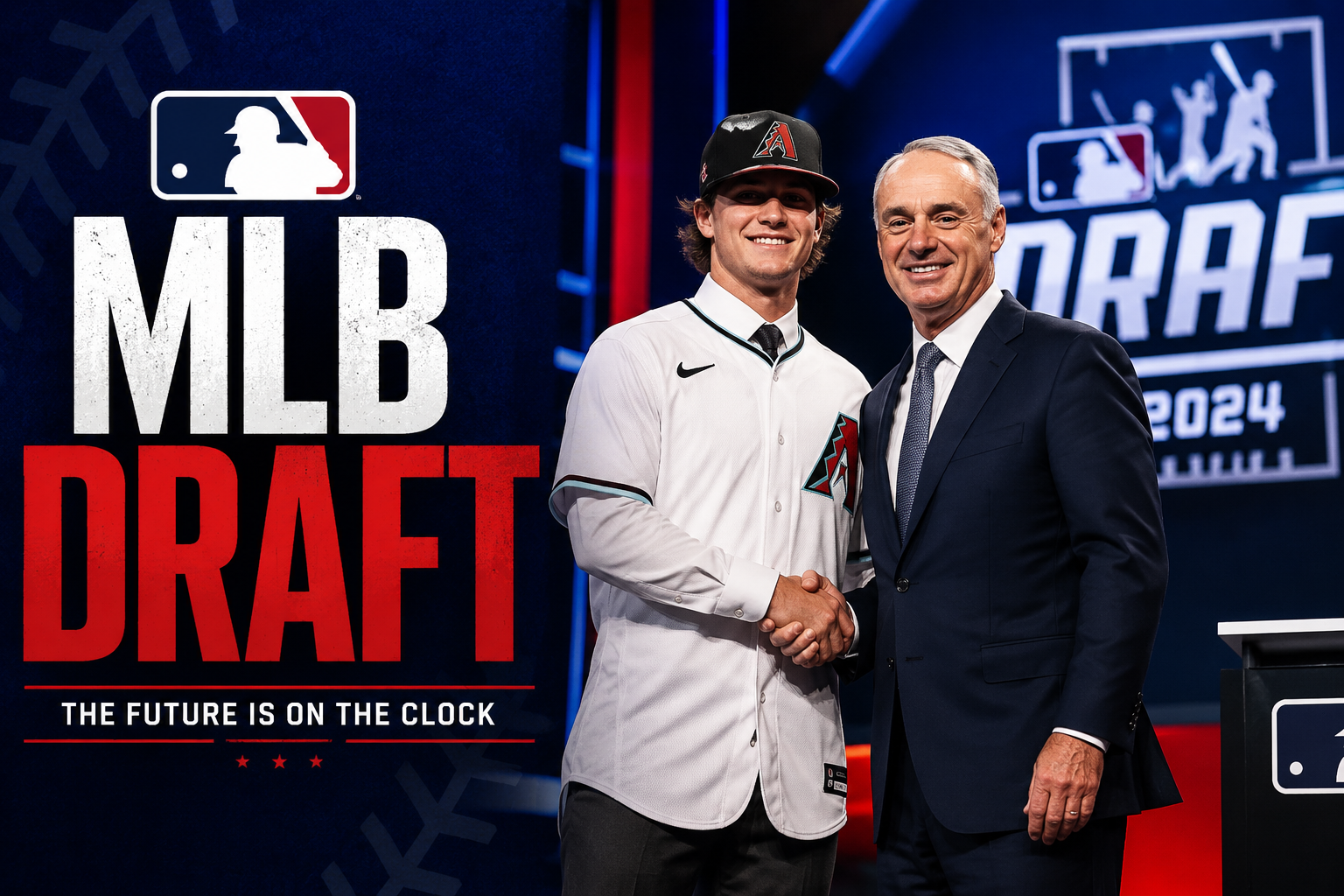
As MLB owners and the MLBPA begin their collective bargaining process, Commissioner Manfred has placed some bold proposals on the table. Among the most interesting proposals is the call to radically reform the draft process. This series of proposals would do the following, if implemented:
- Cutting the MLB Draft from 20 rounds to 12, eliminating approximately 240 draft picks.
- American players would not be eligible for the draft until age 20.
If adopted, these changes would alter the makeup of professional and collegiate baseball in a significant way. Despite the insistence that there is no proposal to eliminate minor league affiliates, cutting the draft in nearly half would seem to create less of a pool for MiLB rosters. So, while the Commissioner might say there’s no plan to eliminate teams, it would be easy to imagine at minimum, the elimination of the Florida and Arizona complex leagues (if not Low-A) at some point in time.
While Minor League Baseball may lose on this proposal in the long run, College Baseball would stand to gain significantly. More players are opting to play college than ever before, but many of the top picks in recent drafts have been high school players. Recent rookie standouts like Kevin McGonigle and Konnor Griffin went from high school to MLB in just a couple of years. Bobby Witt Jr., Mike Trout, Bryce Harper and a long list of players dating back decades have bypassed college offers for the MLB Draft.
The reality there are some positives and negatives associated with these proposed reforms. Here’s how they break down:
Positives
- Division I College Baseball would see a boost in talent, as top players who would traditionally have entered the MLB Draft out of high school would now be forced to commit to a college program. This would likely increase interest in the college game, including larger crowds and higher television ratings.
- Expanding the college talent would also likely see a trickle-down effect of talent into DII, DII, JUCO and NAIA programs.
Negatives
- While major college baseball programs will see a boost and talent, there will also be fewer roster spots available. They will be taken up by top stars that may have been drafted out of high school. This may only work well for college players if they increase the number of allotted scholarships.
- Whether MLB admits it or not, eliminating eight draft rounds will ultimately mean that fewer players have the opportunity to play professionally.
Potential Outcomes
If these proposals were to be adopted, the structure of baseball from both an amateur and professional level would be transformative. Requiring two years of college before being drafted would mean the top amateur baseball players in the country would bolster the top college programs. It would also create considerably more interest in the MLB Draft.
However, the overall number of players who would get the opportunity to play professional baseball would inevitably shrink. One possible explanation for the proposal is that MLB owners are looking to offload the costs of maintaining the development of players on to the college system. Another potential beneficiary of such changes would be independent leagues. This could pave the way for more non-affiliated, independent leagues to develop their own identities and offer opportunities to players not drafted by MLB clubs.
As the owners and players enter CBA negotiations over the upcoming months, the focus will be on salary caps and floors. But it will be some of the less publicized proposals, such as these, that will have a bigger impact on the ecosystem of the game overall.


