Featured
The AFL (Arizona Fall League) has been an Exceptional Benefit to MLB
Around since 1992, the AFL has benefited everyone involved. This includes not only players, coaches, managers, and umpires, but front-office personnel and scouts, and even fans.

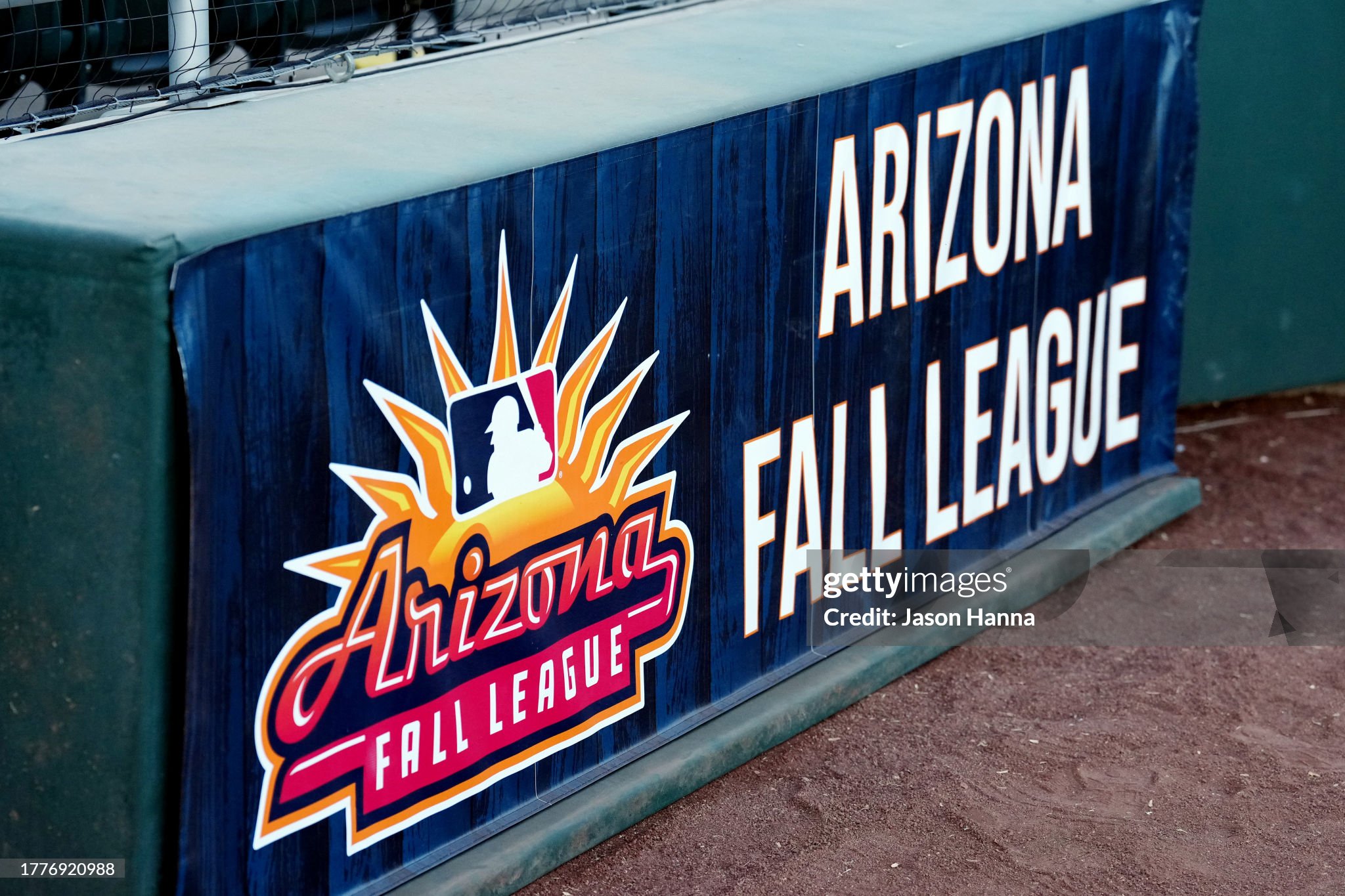
The AFL (Arizona Fall League) has been an exceptional benefit to MLB (Major League Baseball). Around since 1992, the AFL has benefited everyone involved. This includes not only players, coaches, managers, and umpires, but front-office personnel and scouts, and even fans. The league, seen as “the finishing school for Major League Baseball’s future stars”. It consists of 30 games with a playoff tournament played over six weeks in October and November.
Some History
Before the inception of the AFL, most teams sent prospects and players to play winter ball in the Caribbean, the Dominican Republic, and/or Puerto Rico. Though this allowed players extended time to further develop and perfect their skills, it was not without challenges.
Travel and housing were challenging for everyone and became very expensive for managers, scouts, and team executives as well as for players. It was difficult to get immediate and/or proper medical care if someone was injured. The lack of communication and limited access to technology also became issues.
And, those winter leagues were not regulated by MLB, so MLB had no say in the rules, how the leagues were run, etc. Seeking a way for top prospects to remain close and continue honing their skills in a setting that matched the rules and rigors of MLB play, they decided to form their own developmental league. The AFL debuted in 1992 and provided a more practical and cost-effective way for MLB to run that league in the United States.
Location Important
Needing a location that was not only easy to access, but had MLB-ready fields as well as the infrastructure to host the league, the MLB turned to Phoenix, AZ. The greater Phoenix area was already home to Spring Training baseball and had 10 stadiums/fields available for immediate use. Add to that the available housing (hotels, etc.) for players, coaches, etc. and its cool, dry weather in October and November making it a perfect destination for travelers, and the area was chosen to host MLB’s new developmental league.
Top Prospects
The AFL (Arizona Fall League) has been an exceptional benefit to MLB. All MLB teams are involved, each sending players to the AFL. The AFL comprises six teams, each representing five MLB teams. Teams send seven prospects/players to take part. Many players are from the MLB Pipeline’s Top 100 prospects and many hail from Double-A and Triple-A teams. However, are all seen as players with futures at the MLB level.
Coming back from Injuries
MLB also began allowing veteran pitchers and everyday players returning from injury to play in the AFL in order to make up for missed pitching in games and at-bats. One of those players was Arizona Diamondbacks pitcher Drey Jameson. Needing competitive innings to continue his rehab after Tommy John surgery, he was effective as he used his participation in 2025 to make up for his lost playing time. That “extra” time in the AFL helped him return to the big leagues sooner.
Run by MLB
Since MLB runs the AFL, it uses the rules and regulations MLB sets. The league uses MLB umpires as well as MiLB umpires looking to move into the big leagues. It gives top prospects from MiLB a chance to continue playing and polishing their skills under the rules they will be (or hope to be) playing under. MLB also uses the AFL as a testing ground for many of the rule changes or game enhancements they consider making to the game. It has become the go-to league for not only testing, but refining those rules/enhancements because of its game play in real-world situations.
How Good Are the Players
How good are the players in the AFL? Though a “developmental” league, the play is very competitive and has seen its share of stars. More than 3,000 current and former MLB players have played in the AFL since its 1992 inception. The 2026 MLB All-Star Game saw 27 former AFL players among the two teams. Many of today’s superstars played in this competitive league at some point. Among countless others, AFL alumni include current stars Ronald Acuña Jr., Mookie Betts, Bryce Harper, Vladimir Guerrero Jr., Aaron Judge, Kevin McGonigle, and Mike Trout.
Hall Of Fame Players
The league has also seen its share of Hall of Fame players including Roy Halladay, Todd Helton, Derek Jeter, and Mike Piazza. Even soon-to-be Hall of Fame member Albert Pujols enhanced his skills playing in AFL games.
Coaches and Managers
The AFL has also seen its share of future MLB coaches and managers. The league provides MiLB coaches and managers opportunities to showcase and improve their skills. They get to work with the best and elite talent from all 30 MLB clubs. They also gain more experience making in-game decisions at an MLB level. Even some current MLB managers got their start in the AFL. Kevin Cash, Terry Francona, A.J. Hinch, Torey Lovullo, Warren Schaeffer, and Derek Shelton.
Scouts
Scouts are plentiful at AFL games. Always looking for an advantage, the AFL gives them instant access to players, coaches, and mangers. They get to know players and prospects from other organizations. Having them all playing in the same area allows not only for easy access, but offers the advantage of seeing the top prospects playing one another in MLB-regulated games. With these players potentially included as part of future trades and deals, scouts need to be ready to report on them. The AFL gives them the ability to evaluate their own talent as well as the talent of the other teams without the need to travel.
The Games
With top prospects from all teams on display in the AFL, players want to stand out and showcase their talents. This makes every game competitive and worthwhile. Because players are trying to get on an MLB 40-man roster or earn a spot at opening day, their concentration, effort, and intensity are always on display.
The Fans
Early fans of the AFL largely consisted of front-office personnel, baseball purists, and diehard stat nerds looking to see the top prospects and gauge their futures in MLB. Though they are still part of the fan base, over the years, casual baseball fans have embraced the league and attend looking for an entertaining game at a good price. They see the games as competitive baseball because rosters are loaded with baseball’s top prospects and future MLB All-Stars. Although attendance figures haven’t matched those of Spring Training, the AFL’s popularity continues to grow year over year.
Outlook: Not Going Anywhere
The AFL (Arizona Fall League) has been an exceptional benefit to MLB as a means for player and managerial development. The league’s outlook is very strong and as long as MLB continues to use it as the premier “finishing school” for elite minor league prospects, it will remain popular with everyone involved. Experimenting with and refining rule changes and game enhancements is an added bonus for MLB.
The AFL isn’t going anywhere anytime soon. In fact, while currently considered exceptionally beneficial to players and teams and to MLB, all signs indicate it will soon become the most important aspect of player development for MLB teams. Bringing all the top players together in real-game situations not only benefits player and team personnel but also lets baseball purists and casual fans alike to see the future of major league baseball as well as its future stars before their MLB debuts. With the support of MLB and all 30 MLB teams—and with fans actively engaged—the AFL can only continue to flourish as it looks to the future.
For further information, including full team/game schedules for this year’s Arizona Fall League, visit the AFL’s website (https://www.mlb.com/arizona-fall-league).
Jim Marshall

Jim Marshall has been writing about sports for over 10 years. He started his sports career in radio, co-hosting and producing several sports-talk radio programs in Phoenix. He has covered local, college, and national sports, but specializes in MLB. His articles have appeared in several sports-reporting sites, including our own Legends On Deck. Jim is also a member of the Internet Baseball Writers Association of America (IBWAA).


